
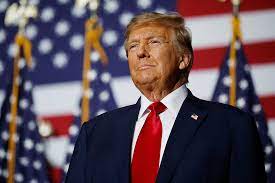
U.S. President-elect Donald Trump stirred up global markets on Monday with a bold promise to impose a 25% tariff on all products from Mexico and Canada starting on his first day in office. This is alongside a 10% tariff on goods from China. Trump cited illegal immigration and the trade of illicit drugs, particularly fentanyl, as the primary reasons behind his plan.
In a post on Truth Social, Trump said the tariffs would remain in place until Mexico and Canada take more decisive action to address drug trafficking and curb illegal migration across the border. This proposal directly challenges the U.S.-Mexico-Canada Agreement (USMCA). This is a trade deal that has allowed for largely duty-free trade between the three countries since 2020.
Mexico and Canada are the U.S.’s largest trading partners. This is with over 80% of exports from Mexico and 75% from Canada going to the U.S. Imposing such tariffs could disrupt these critical trade relationships and escalate tensions. The threat of tariffs is a sharp reminder of the contentious trade battles that characterized Trump’s first term, with previous efforts to impose tariffs on steel, aluminum, and other goods drawing criticism and retaliation from affected countries.
Trump also targeted China. This is accusing Beijing of not doing enough to stop the flow of illicit drugs into the U.S. from Mexico. He pledged a 10% tariff on all Chinese products entering the U.S. He is saying it would remain until China takes more robust action to address the drug crisis. The announcement also reignited his previous promise to revoke China’s most-favored-nation trading status and impose tariffs exceeding 60% on Chinese imports, which would further strain U.S and China’s trade relations. The news sent shockwaves through global markets. This is with the dollar rising sharply against the Mexican and Canadian pesos.