
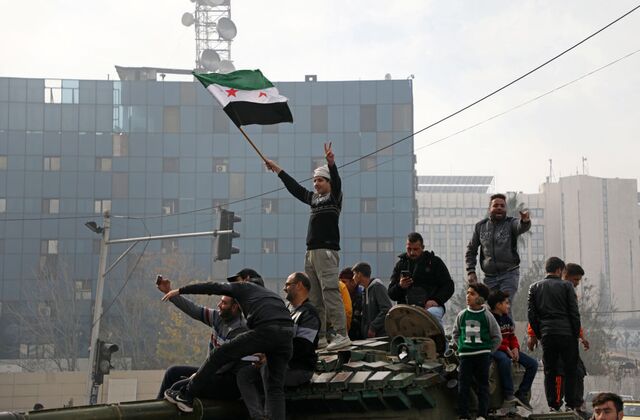
The fall of Bashar al-Assad’s regime came suddenly and with remarkable speed. On November 29, 13 years into a brutal civil war and more than four years into a stalemate that appeared to have solidified Assad’s grip on power. There are thousands of rebel fighters launched a surprise offensive into Aleppo. Aleppo is Syria’s second-largest city. They encountered little resistance from Assad’s forces or their Russian allies. Within a week, the rebels had captured several towns. This is including the strategically important city of Hama, where they freed hundreds of government prisoners. By the weekend, they had taken Homs and were closing in on Damascus, the capital and seat of Assad’s power.

By Sunday, Assad had fled to Moscow, and the rebels—led by the group Hayat Tahrir al- Sham (HTS)—celebrated by posting videos of themselves looting Assad’s palace. HTS declared Damascus free from Assad’s rule, sending messages of hope to displaced Syrians: “Free Syria awaits you.” The regime’s sudden collapse triggered both jubilation and uncertainty. Millions of Syrians were left wondering what the future held for a country ravaged by years of war. Meanwhile, HTS leaders scrambled to gain international recognition. They are establishing a new government.