
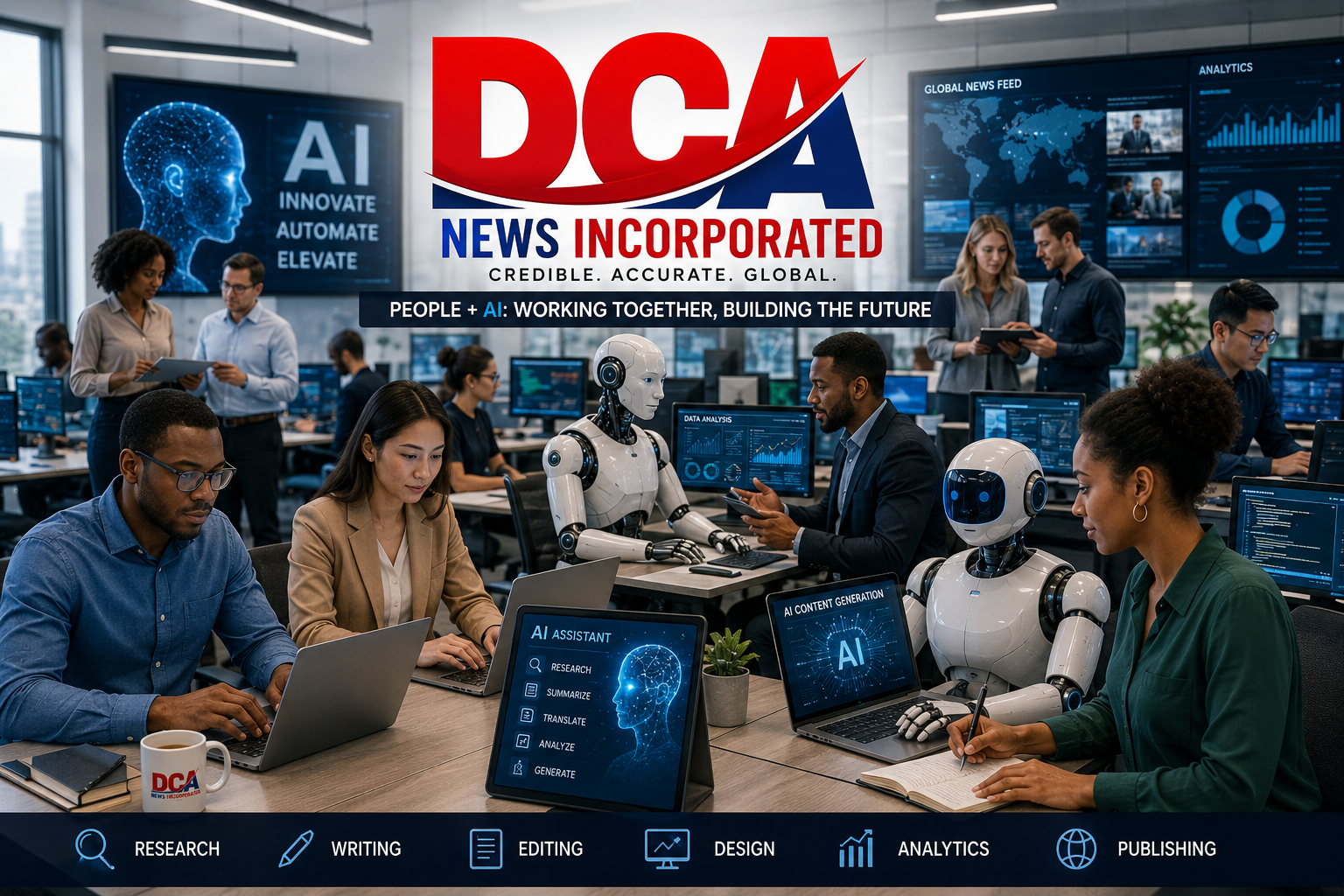
Artificial Intelligence is rapidly transforming the global workplace. This is also reshaping industries and redefining how people work. It also affects manufacturing and healthcare to finance and education. This AI-powered technologies are automating routine tasks, increasing efficiency, and creating new opportunities for innovation.
How AI Is Changing Job Roles
The rise of automation and artificial intelligence is significantly altering traditional job functions. Many repetitive and manual tasks can now be performed by intelligent machines and automated systems, allowing organizations to improve productivity, reduce operational costs, and enhance accuracy.
As a result, some conventional roles are becoming less relevant. This is projecting entirely new careers emergence. Workers are required to operate and monitor gadgets. They will maintain advanced machinery. They will manage robotics, and automated systems. This shift has created demand for professionals. This job needs professionals with specialized skills in technology and digital operations.
At the same time, AI adoption is generating new employment opportunities in areas such as data analytics, machine learning, artificial intelligence development, cybersecurity, and digital transformation management.
Skills Required in the AI Era
The workforce of the future will require a combination of technical expertise, creativity, critical thinking, and adaptability. Professionals who can effectively leverage AI technologies will be better positioned to succeed in an increasingly digital economy.
Key skills in high demand include:
- Data Analytics and Data Science
- Artificial Intelligence Development
- Machine Learning
- Programming and Software Engineering
- Cybersecurity
- Digital Communication
- Problem-Solving and Critical Thinking
- Project and Technology Management
To remain competitive, individuals are encouraged to pursue continuous learning through professional certifications, workshops, online courses, and industry training programs.
Adapting to an AI-Driven Workplace
As AI continues to evolve, professionals must embrace lifelong learning and adaptability. Understanding how to work alongside AI tools can significantly enhance productivity and career prospects.

Employees can prepare for the future by:
- Developing digital and technical skills.
- Learning to use AI-powered tools and applications.
- Staying informed about technological trends.
- Networking with industry experts and professionals.
- Remaining flexible as workplace demands continue to evolve.
Rather than replacing all human workers, AI is increasingly being used to complement human capabilities, enabling employees to focus on strategic, creative, and high-value tasks.
AI’s Impact on the Workforce
The influence of AI on the workforce is both transformative and complex. While automation can eliminate certain repetitive tasks, it also allows employees to dedicate more time to innovation, decision-making, and customer engagement.
Benefits of AI in the workplace include:
- Increased productivity and efficiency.
- Improved accuracy and quality control.
- Faster decision-making through data-driven insights.
- Enhanced customer experiences.
- New career opportunities in emerging technology sectors.
However, AI adoption also presents challenges. Job displacement remains a concern, particularly in industries heavily dependent on routine and repetitive work. As a result, reskilling and upskilling initiatives have become increasingly important for workers seeking long-term career stability.
Challenges and Concerns Associated with AI
Despite its many advantages, AI raises important social, ethical, and economic concerns.
Job Displacement
Automation may reduce demand for certain occupations, particularly those involving repetitive processes. Workers in affected industries may need additional training to transition into new roles.
Bias and Ethical Issues
AI systems rely on data to make decisions. If that data contains biases, AI applications may unintentionally produce unfair or discriminatory outcomes. Organizations must ensure responsible AI development and deployment.
Privacy and Cybersecurity
As AI systems process large volumes of data, protecting sensitive information and preventing cyber threats have become critical priorities for businesses and governments worldwide.
AI and Employment Growth
Artificial Intelligence is not only changing existing jobs but also creating entirely new professions. Industry forecasts suggest that AI could generate millions of new jobs globally over the next decade.
Some of the fastest-growing AI-related careers include:
AI Trainers and Educators
Professionals who teach, train, and improve AI systems to ensure accuracy, effectiveness, and reliability.
Data Analysts and Data Scientists
Experts who collect, interpret, and analyze large datasets to generate actionable business insights.
Human-Machine Collaboration Managers
Specialists responsible for ensuring effective cooperation between employees and AI-powered systems.
AI Ethics and Policy Experts
Professionals who develop frameworks and regulations to ensure AI technologies are used responsibly, fairly, and ethically.
The Economic Impact of Artificial Intelligence
AI has the potential to drive significant economic growth by increasing productivity, reducing inefficiencies, and accelerating innovation across industries. Organizations that successfully integrate AI technologies can gain competitive advantages while creating value for consumers and stakeholders.
However, policymakers and business leaders must also address concerns about income inequality and workforce transition. As demand grows for advanced technical skills, individuals who invest in AI-related knowledge and expertise are likely to benefit from greater employment opportunities and higher earning potential.
Conclusion
Artificial Intelligence is transforming the future of work by changing job roles, creating new career opportunities, and reshaping industries worldwide. While AI presents challenges such as job displacement, ethical concerns, and workforce adaptation, it also offers significant benefits through increased productivity, innovation, and economic growth.
For individuals and organizations alike, success in the AI era will depend on continuous learning, adaptability, and the ability to leverage emerging technologies effectively. Those who embrace change and develop future-ready skills will be best positioned to thrive in an increasingly AI-driven world.