
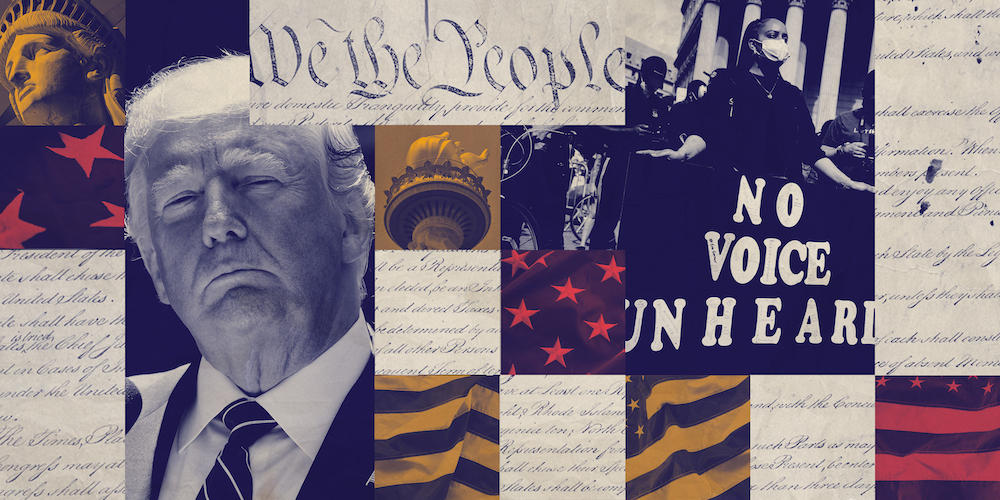
In a controversial move that has drawn sharp reactions, President Donald Trump has revoked Executive Order 11246, a cornerstone of anti-discrimination policy that has been in place for over 60 years. Signed by President Lyndon B. Johnson in 1965, the order banned federal contractors from discriminating based on race, color, religion, national origin, sex, sexual orientation, or gender identity. It also empowered the Department of Labor to enforce these protections, ensuring federal contracts did not support discriminatory practices. Trump’s decision is a direct challenge to diversity, equity, and inclusion (DEI) initiatives, which have become central to efforts promoting workplace fairness.
The president has long criticized such programs, labeling them as “radical DEI” policies. In a statement on Wednesday ,(01/22/2025), he argued that his new directive would stop the Labor Department from compelling contractors to “balance their workforce based on race, sex, gender identity, sexual preference, or religion.” This rollback marks a significant moment in the ongoing debate over workplace diversity. Supporters of Trump’s decision argue it restores a focus on merit over demographic quotas, while critics say it undermines decades of progress in combatting workplace discrimination.
Judy Conti, director of government affairs at the National Employment Law Project, described the move as a blow to equal opportunity. “This isn’t a return to meritocracy—it’s a step backward to a time when marginalized groups had no means to ensure they were evaluated fairly,” Conti said. While Trump’s administration frames the rollback as a necessary reform, critics warn it weakens protections for millions of workers, particularly women, people of color, and LGBTQ+ individuals. On the Department of Labor’s website, Executive Order 11246 is still hailed as a “historic step toward equal employment opportunity,” underscoring its role in combating discrimination since the Civil Rights Act of 1964.
As the nation grapples with differing views on DEI policies, this move signals a deepening divide in how America addresses workplace fairness and equality. While some push for expanded protections, others are calling for a reevaluation of how diversity initiatives are implemented. The decision is set to reignite debates over the future of workplace inclusion and equal opportunity.