
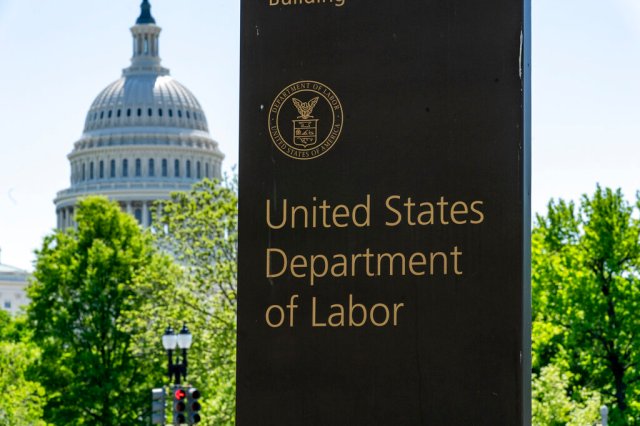
In a major step toward economic equality, the U.S. Department of Labor has proposed a rule to end the practice of paying subminimum wages to workers with disabilities. The finalized rule will phase out section 14(c) of the Fair Labor Standards Act (FLSA). It is a provision that has allowed employers to pay workers with disabilities below the federal minimum wage since 1938.
For far too long, workers with disabilities have been excluded from the basic promise of fair pay for a hard day’s work. The legal and social advancements have opened doors to more opportunities. The section 14(c) has kept many trapped in low-wage jobs—sometimes earning just pennies an hour. However, times are changing. Several states and localities have already eliminated subminimum wages, and more employers are choosing not to seek certifications to pay less than the minimum wage.
The proposed rule makes it clear that subminimum wages are no longer necessary to provide job opportunities for workers with disabilities. From the evidence, some areas have already made this change. The Department of Labor believes most workers with disabilities can transition into full-wage employment.
Importantly, this shift will not force workers to leave their current jobs or require employers to make immediate changes. Over the next three years, the phase-out of subminimum wages will create new opportunities. It is giving workers with disabilities the chance to earn fair wages and gain economic independence.
This proposal is a critical step toward fulfilling the promise of equal pay for equal work. This is ensuring that people with disabilities no longer face unfair pay. This is because of their disability. The time has come for all workers to be paid fairly. This will be with no exceptions.