
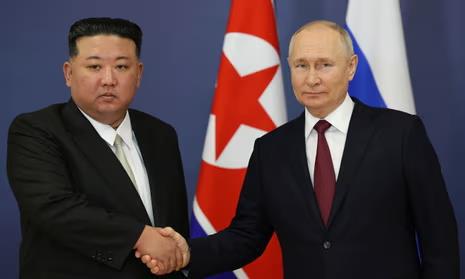
The next few weeks are pivotal in the Russia-Ukraine conflict, as Russia intensifies its efforts to expand its territorial control. A key development is the growing military cooperation between Russia and North Korea. Moscow has reportedly deployed around 10,000 North Korean troops to fight in Ukraine, specifically in the Kursk region, which is part of Russian territory. This move helps relieve pressure on Russia’s conscription system, which has been strained by heavy casualties. For Russia, the political cost of North Korean casualties is minimal, as the deaths of foreign soldiers are less likely to provoke domestic backlash. North Korea. This will also gain access to advanced military technology from Russia. In particular to the nuclear and conventional arms, helping to bolster its own capabilities.
While this alliance strengthens Russia’s military position, it also raises the risk of broader regional escalation. South Korea has signaled it will increase its support for Ukraine in response to North Korean involvement, which could provoke further tensions in the region. The U.S. remains committed to supporting Ukraine. There will be donation of $6 billion of military aid for delivery before President Biden’s term ends. This aid aims to put Ukraine in a stronger position both on the battlefield and at the negotiating table.
The situation could shift significantly if Donald Trump wins the presidency. Trump has promised to end the war in Ukraine, and Russia may seek to secure additional territorial gains in the coming weeks to strengthen its bargaining position before potential negotiations. The next phase of the conflict will likely be decisive in shaping the future boundaries of Ukraine and Russia, as both sides attempt to solidify their positions before a potential settlement. With the involvement of North Korean troops and continued Western aid to Ukraine, the risk of further escalation remains high.